Lessons from the kerb… (in 2 mins)
Remember phoning for a taxi?
You’d call the local firm. Someone would answer, usually sounding like they were doing three things at once. They’d say ‘ten minutes.’ Which meant twenty. You’d hang up and stand by the window. Or pace the hallway. Or walk to the end of the road just in case.
After fifteen minutes you’d phone back. ‘He’s on his way.’ On his way from where? No idea. So you’d stand there a bit longer. Staring at traffic. Checking your watch. Slowly losing the will to live.
The stress wasn’t really the wait. It was the not knowing. Was it coming? Had they forgotten? Should you call again and risk being that person?
When Uber launched, they had the same problem every taxi company has always had. Cars take time to reach you. The laws of physics are non-negotiable.
But instead of trying to solve the wait, they solved the feeling of waiting.
They gave you a map. A little car icon, moving towards you in real time. You could see it turn left, pause at lights, crawl through traffic. You knew exactly where it was and roughly when it would arrive.
No phone call. No chasing. No stress.
The wait didn’t get shorter.
But it stopped feeling like a wait.
Rory Sutherland, the advertising thinker and Vice Chairman of Ogilvy, calls this a psychological moonshot. He argues the map is the equivalent of Uber buying thousands of extra cars. Because it makes the existing wait dramatically less frustrating.
The problem was never really the time. It was the uncertainty.
And uncertainty, it turns out, is what we actually hate.
Think about it. A ten-minute wait when you know it’s ten minutes is fine. A five-minute wait when you have no idea how long it’ll be is agony.
The information didn’t change the reality. It changed the experience of the reality.
Uber didn’t spend billions buying more cars. They spent a fraction of that building a screen that kept people calm. And in doing so, they transformed how millions of people feel about the service.
SO WHAT?
We spend a lot of time and money trying to fix problems.
But sometimes the problem we’re trying to fix isn’t the one the customer actually has.
Uber’s customers didn’t need a faster car. They needed to know the car was coming.
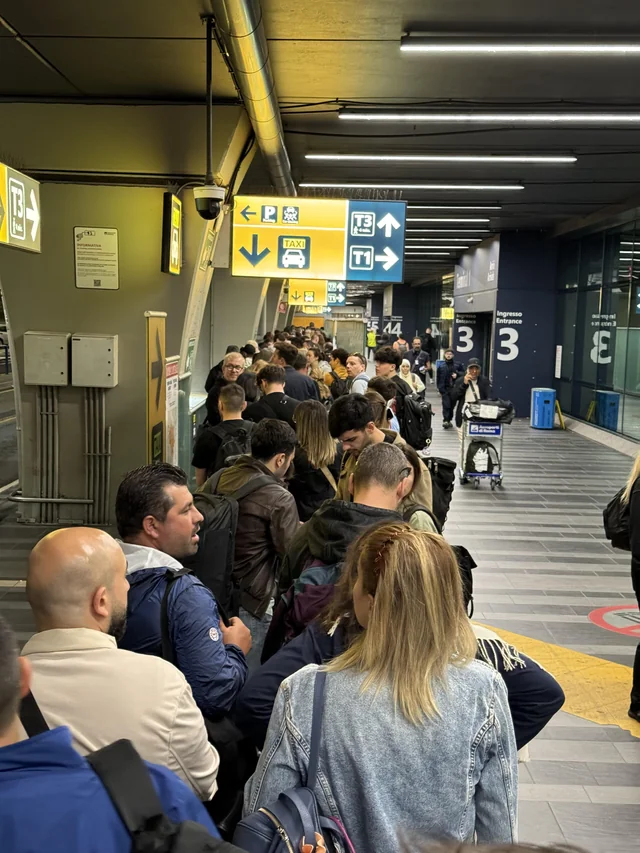
Now think about train delays. Billions are spent trying to make trains run on time. But ask anyone who commutes and the thing that drives them mad isn’t usually the delay itself. It’s the not knowing. The board that just says ‘delayed.’ The silence from the platform speakers. The total absence of information about whether to wait, leave, or find a bus.
What if the rail industry stopped trying to fix every delay and started fixing how delays feel? A live map showing exactly where your train is. An honest estimate that updates in real time. A reason. An alternative. Something, anything, that gives you back a sense of control.
The lesson is pure positive-sum thinking. Instead of fighting the expensive, difficult, obvious problem head-on, ask whether there’s a cheaper, smarter, sideways solution hiding in how people feel about the problem.
Sometimes the unfair advantage isn’t in the product. It’s in the perception.