
Lessons from the runway… (in 2 mins)
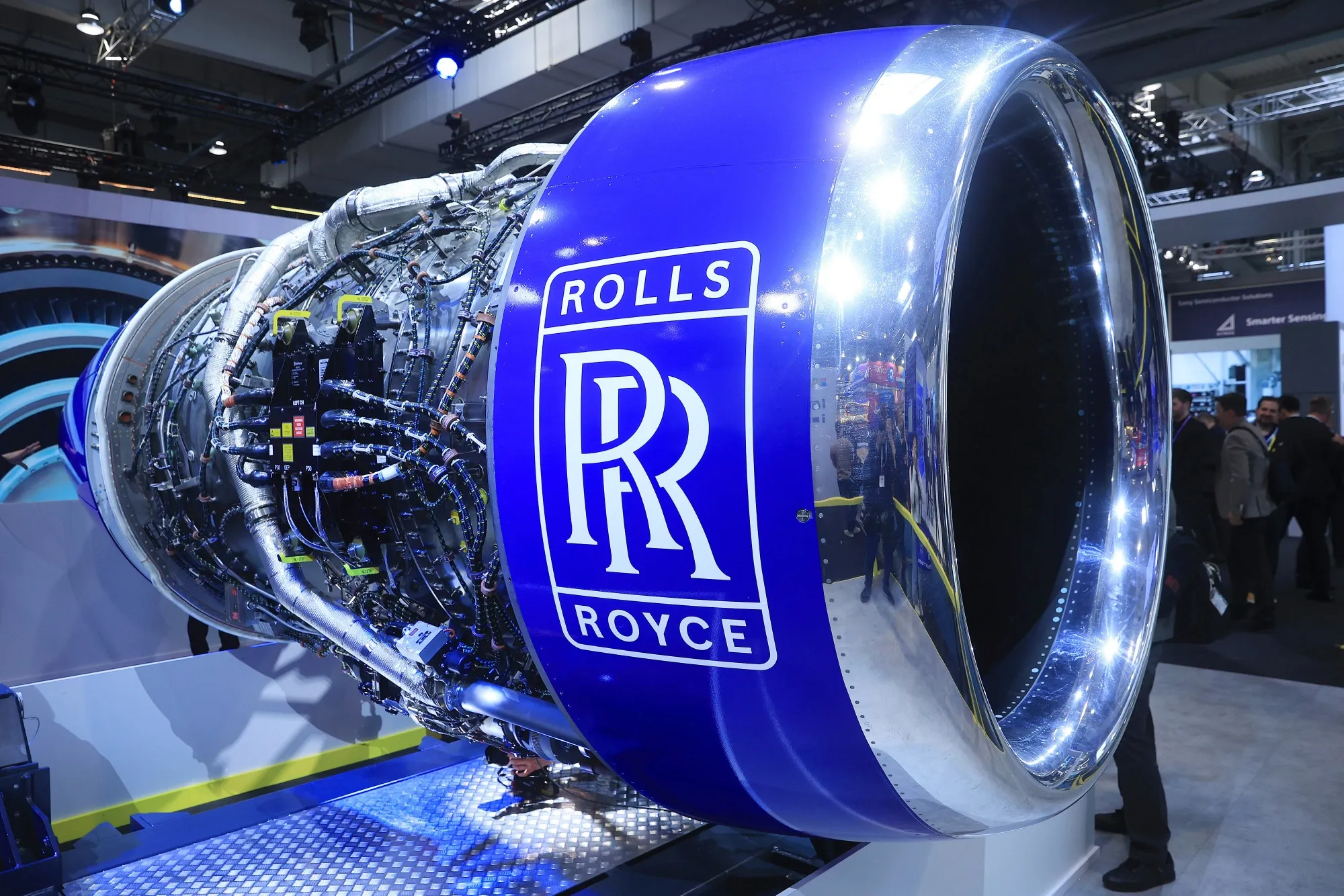
Rolls-Royce makes jet engines. Very good ones.
But for decades, they had a problem.
Selling a jet engine is an enormous upfront transaction. Airlines have limited capital. Competitors like GE and Pratt & Whitney were fighting hard on price. And Rolls-Royce, despite having a superb product, couldn’t always win on cost alone.
So they changed what they were selling.
Instead of asking airlines to buy an engine, they offered to sell them thrust. Pay per flying hour. Rolls-Royce would retain ownership of the engine, maintain it, monitor it, and guarantee its performance. The airline would simply pay for the hours it spent in the air.
They called it Power by the Hour.
It was a stroke of genius.
For the airline, the upfront cost disappeared. The risk moved off their balance sheet and onto Rolls-Royce’s. Maintenance became someone else’s problem. Budgeting became predictable.
For Rolls-Royce, the maths was even better. They now had long-term recurring revenue from every engine they’d ever placed. They had an incentive to build engines that lasted longer and needed less maintenance, because they were paying for the upkeep. And they made it extraordinarily difficult for a competitor to come in and replace them mid-contract.
One move turned a one-off sale into a decades-long relationship.
The product didn’t change. What changed was the question.
Instead of asking ‘how do we sell more engines?’ they asked ‘what does the customer actually want from an engine?’
The answer wasn’t an engine. It was flight hours.
SO WHAT?
Most markets are built around selling things. Products. Units. Widgets.
And so most competition is focused on making the thing better or cheaper.
But sometimes the unfair advantage isn’t in the thing itself. It’s in how you frame what the customer is buying.
Rolls-Royce didn’t win by building a better engine. They won by reframing the entire purchase from a product to an outcome. They stopped selling metal and started selling miles.
The competitors were still trying to win on spec sheets and price lists. Rolls-Royce had moved the conversation somewhere else entirely.
That’s positive-sum thinking. You don’t outspend them. You make the old game irrelevant.